Christmas & New Year offer — 25% off every annual planChristmas & New Year offer — 25% offSee festive prices →

Christmas & New Year offer

Merry Christmas & Happy New Year

25% off every annual plan · Festive prices valid till 31 January 2027

Pick a product to see its festive prices.

NITIKSHAM / INDEPENDENT THINKING

Thoughtful by design.

EXPLORE NITIKSHAM
LET’S CREATE SOMETHING.contact@nitiksham.com
← All issuesDownload PDF ↓
NITIK IDEASby Nitiksham · an idea driven agency
February 2026 · Issue 1 · Vol. 11 February 2026
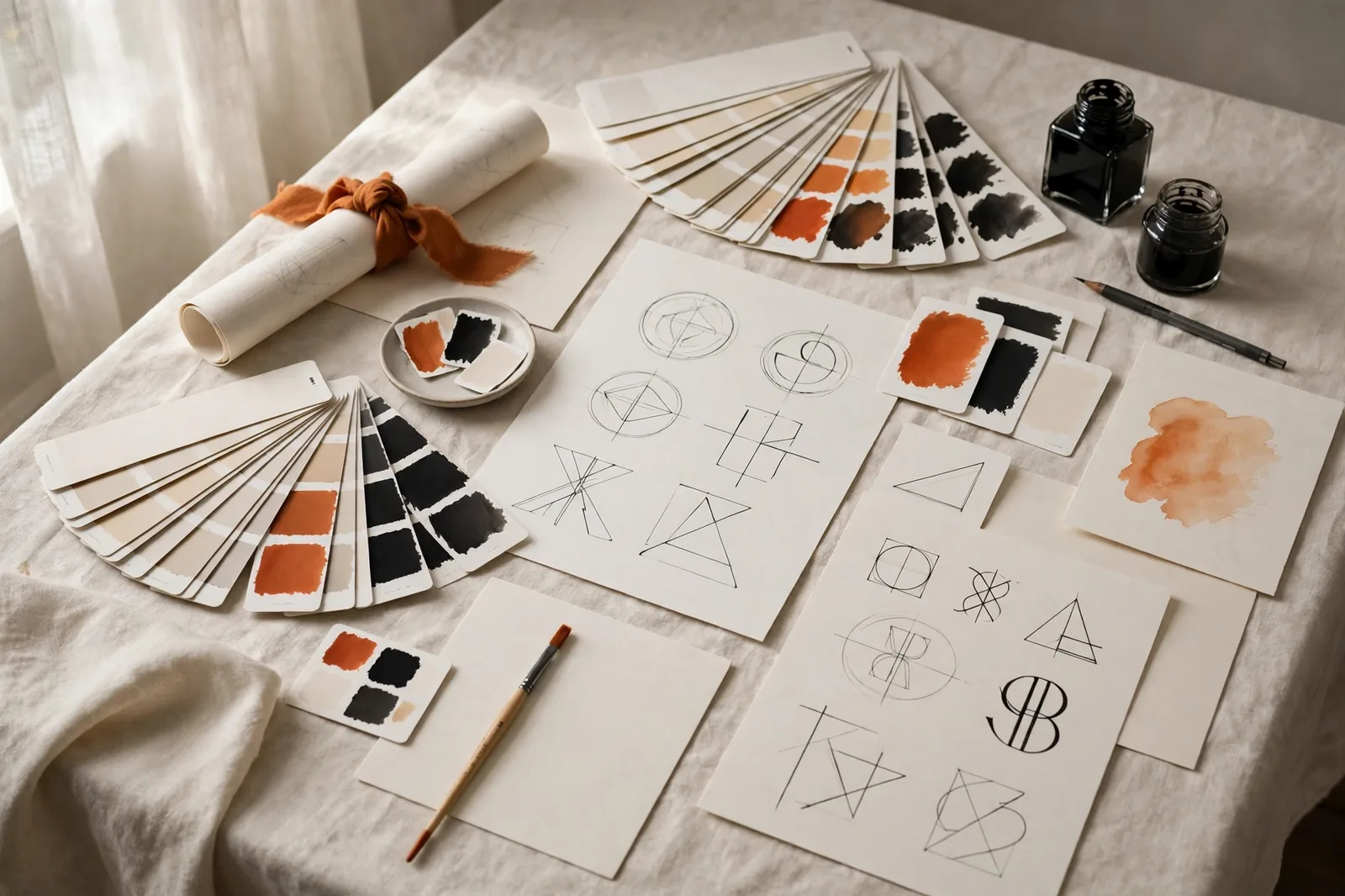
Brand identity design work on a studio desk

The Idea Issue — What makes a brand memorable?

February 2026: what makes a brand memorable, the idea-first approach, and a brand identity checklist to use for your business — from NITIK IDEAS by Nitiksham.

1 / 6
NITIK IDEAS · FEBRUARY 2026 · PAGE 22 / 6

What is a brand, really?

A brand is the sum of what people remember about a business long after they have seen its logo, visited its website, or spoken to its team. It is not a logo, a colour, or a tagline on its own. It is the feeling those things leave behind, repeated so consistently that people begin to recognise the business without thinking about it.

That recognition is what makes a brand valuable. When two businesses offer a similar product at a similar price, people choose the one they remember, the one they trust, and the one that feels like it was made for them. A strong brand does that work quietly, every day, in every place the business appears.

A brand is built from a few essentials working together:

  • A clear idea — what the business stands for, in one sentence anyone can repeat.
  • A consistent look — colours, type and imagery that stay the same across every channel.
  • A recognisable voice — words that sound like the same business, whether on a website, a brochure, or a social post.
  • A promise kept — the experience customers actually get, matching what the brand says about itself.

None of these works alone. A beautiful logo with a muddled message is decoration. A great message with a different look every time is forgettable. The businesses people remember are the ones where every part points in the same direction.

The good news is that this is not a matter of budget. It is a matter of clarity and consistency — two things any business can work on, starting today.

NITIK IDEAS · FEBRUARY 2026 · PAGE 33 / 6

The idea-first approach

Every good brand starts with an idea, not a design. At Nitiksham, we follow a simple five-step process that keeps the idea in charge from the first conversation to the finished result: Discover, Plan, Build, Launch, Grow.

Discover is where we listen. We learn about the business, its customers, its competitors, and the market it works in. The questions matter more than the answers at this stage: who are we talking to, what do they care about, and what makes this business different?

Plan turns what we learned into a clear direction. We agree on the message, the look, and the channels before anything is designed or written. A plan written down is a plan that can be judged, improved, and followed.

Build is where the idea takes shape — the identity, the website, the content, the campaign. Because the discovery and planning are already done, the building is faster and the result is more focused.

Launch puts the work in front of real people, carefully and on time. A launch is not the end of the work; it is the first real test of it.

Grow is the step most businesses skip. We watch how people respond, measure what works, and keep improving. Brands are not finished products — they are living things, and the ones that grow are the ones that keep being tended.

The process is simple on purpose. It works for a new brand being built from scratch and for an established business that needs to sharpen what it already has.

NITIK IDEAS · FEBRUARY 2026 · PAGE 44 / 6

A brand identity checklist

If you are building or refreshing a brand, this checklist covers the essentials. Work through it honestly — the gaps are usually where the quickest wins are.

ElementWhat it isWhy it matters
LogoThe mark people recogniseThe first thing people see, and the anchor for everything else
Colour paletteTwo to four colours, used consistentlyColour builds recognition faster than almost anything
TypographyOne or two typefaces, used everywhereConsistent type makes a business look organised and confident
Voice and toneHow the business speaks in wordsThe words carry the personality the visuals suggest
TaglineOne short line that sums up the promiseGives people something to remember and repeat
Imagery styleThe look of photos and graphicsKeeps every channel feeling like the same business
Brand guidelinesA short document recording all of the aboveLets anyone who works on the brand keep it consistent

A few practical notes from our work:

  • Start with the idea, not the logo. A logo designed before the message is clear usually needs redesigning later.
  • Consistency beats cleverness. Using the same colours and type everywhere matters more than a single brilliant design.
  • Write the guidelines down. Even a one-page document stops the slow drift that makes a brand look messy over time.
  • Review once a year. Markets change, businesses grow, and a brand should be checked against the business it represents.

A brand identity is not a one-time purchase. It is a system, and systems work when they are used every day.

NITIK IDEAS · FEBRUARY 2026 · PAGE 55 / 6

Here are the questions we hear most often when a business starts thinking seriously about its brand.

Before the questions, one thought worth carrying into the year: a brand is not finished when the logo is delivered. It is finished — if it is ever finished — when customers recognise it without thinking, trust it without asking, and recommend it without being paid to. That is a slow build, but it is also the most durable work a business can do.

FAQ

What is the difference between a brand and a logo?

A logo is one part of a brand. The brand is the whole impression a business leaves — its name, look, voice, reputation, and the experience customers have. A logo can be redesigned in a week; a brand is built over years of consistent work.

How long does it take to build a brand identity?

A focused identity project usually takes a few weeks, from discovery through to finished guidelines. The brand itself, though, is built over time — every customer interaction, every post, and every piece of packaging adds to it.

Can a small business have a strong brand?

Yes. A strong brand is about clarity and consistency, not size or budget. Some of the most memorable brands are small businesses that know exactly who they serve and speak to them in the same voice, everywhere, every time.

To see how we approach brand and design work, visit the expertise section of our website.

NITIK IDEAS · FEBRUARY 2026

Thank you.

Good ideas don't shout. They stay.

Download this issue as PDF ↓6 / 6
MORE FROM NITIK IDEAS

Other issues.

YOUR NEXT CHAPTER

Good ideas deserve
a clear direction.

Let’s turn your business challenge into work that moves you forward.

Start a conversation ↗